India’s digital revolution has reached the villages. Today, a farmer in Vidarbha receives subsidies via DBT, a homemaker in Nashik pays bills through UPI, and an elderly man in Pune chats with family over WhatsApp. Undoubtedly, digital tools have transformed rural life but they have also introduced a new threat: cybercrime.
For instance, scammers impersonate bank officials, fake lottery messages promise lakhs, and OTP frauds drain life savings in minutes. Consequently, for millions of rural Indians with limited digital literacy, these are not distant risks they are daily realities.
To address this urgent need, the Confederation of Indian Industry (CII) has therefore launched Saksharta Se Sashaktikaran campaign with The Kind Citizen (TKC) and Project CyberShield as implementation partners. The campaign is a grassroots cyber awareness initiative working to spread cyber safety awareness and digital protection skills across villages in Maharashtra.
What Is the Saksharta Se Sashaktikaran Campaign?
Saksharta Se Sashaktikaran meaning “Literacy for Empowerment” is a structured, community-driven cyber awareness programme in rural Maharashtra. Specifically, it responds to the rise in cybercrimes targeting populations who have adopted digital tools without adequate safety knowledge.
Who Does the Campaign Target And Why?
The campaign is deliberately designed around the most vulnerable rural segments. Rather than a one-size-fits-all approach, it focuses on three high-risk groups
Target Beneficiaries of Saksharta Se Sashaktikaran
Women
Women in rural Maharashtra are increasingly using digital financial tools — from Jan Dhan accounts to SHG transactions. Yet, many lack exposure to online safety. As a result, they are frequently targeted via WhatsApp scams and fake scheme links. Nevertheless, the campaign equips them with awareness and confidence to resist online manipulation.
Elderly People
Senior citizens are among the most targeted cybercrime victims in India. In particular, fraudsters exploit their unfamiliarity with smartphones and OTP-based banking. In response, the campaign communicates with them in a patient, jargon-free manner so they can use digital tools safely.
Low Income Working Groups
Daily wage workers, small traders, and migrants rely heavily on digital payments. Furthermore, they are especially vulnerable to UPI scams, fake job offers, and loan app frauds. To address this, the campaign directly tackles fraud patterns that exploit their financial aspirations.
Beyond Theory: A Practical, Action-Oriented Approach
What sets Saksharta Se Sashaktikaran apart from conventional awareness drives is its commitment to practicality. It is not a lecture series, it is a hands on programme that builds real, immediately usable skills.
Key Practical Components Include of Saksharta Se Sashaktikaran
How to File a Cybercrime Complaint
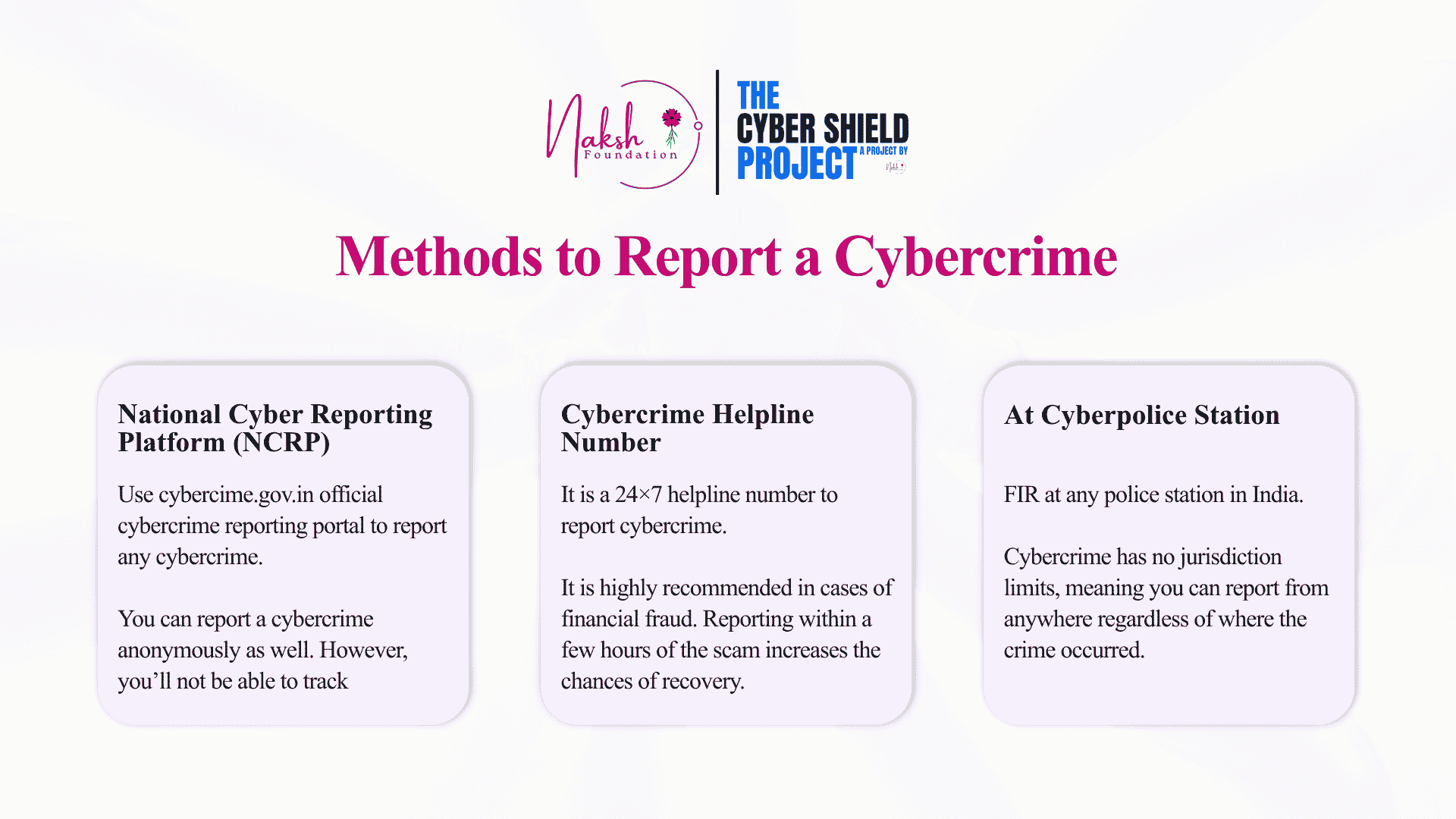
One of the most significant barriers to justice for cybercrime victims is the sheer lack of knowledge about how to report it. Many rural victims don’t know a national cybercrime portal exists. Therefore, the campaign walks participants through filing a complaint from documenting evidence to accessing cybercrime.gov.in and approaching the nearest cyber cell.
One-on-One Privacy Setting Demonstrations
Campaign volunteers sit alongside participants phone in hand and demonstrate how to configure privacy settings on WhatsApp, Facebook, and other commonly used apps. This includes turning off location sharing, managing who can see personal information, and identifying suspicious permissions requested by apps. This personal, one-on-one approach ensures that even those who are not comfortable in group settings can learn at their own pace.
Fraud Identification and Response Training
Volunteers sit with participants, phone in hand, and demonstrate privacy settings on WhatsApp and Facebook. Additionally, they cover turning off location sharing and identifying suspicious app permissions, ensuring learning at each individual’s pace. They learn to spot common fraud tactics, OTP requests, fake customer care numbers, and pressure-based scams. Moreover, they are guided on immediate steps to take if they become a victim.
Safe Digital Payment Practices
With UPI now commonplace in villages, the campaign teaches safe payment habits verifying IDs, avoiding unknown QR codes, and never sharing PINs or OTPs.
The Ground Level Impact: Reaching Maharashtra’s Villages
Maharashtra is India’s second most populous state, with a vast rural hinterland that stretches from the Konkan coast to the Vidarbha plateau. The scale of the challenge is immense and so is the opportunity for impact.
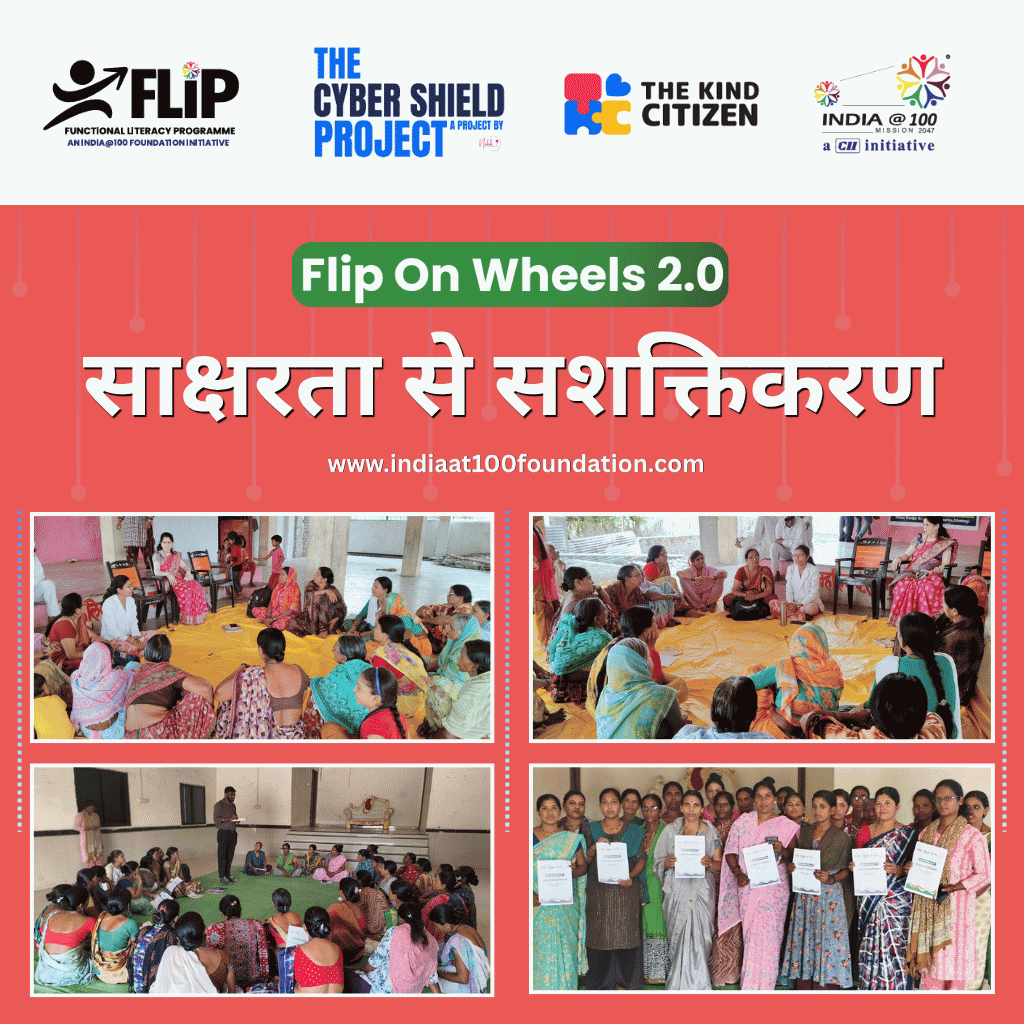
The Saksharta Se Sashaktikaran campaign operates through community touchpoints including village sabhas, self help group meetings, and community centres. Trained volunteers themselves from or familiar with rural contexts serve as the face of the programme, communicating in local dialects and connecting with participants through relatable examples and real-life fraud scenarios that resonate with their lived experiences.
Why This Campaign Matters: India’s Rural Cybercrime Crisis
India reported over 1.5 million cybercrime complaints in 2023 alone. According to the Ministry of Home Affairs, a growing share of victims are from Tier-2, Tier-3 cities and rural areas people new to digital financial systems with limited recourse after fraud. Maharashtra ranks among the top states in cybercrime incidence. Yet, awareness programmes have historically stayed in urban centres, leaving rural populations unprotected.
As a result, campaigns like Saksharta Se Sashaktikaran fill a critical gap. They represent inclusive digital citizenship ensuring every citizen, regardless of geography, age, or income, understands both the promise and peril of digital India.
Frequently Asked Questions (FAQs)
Q: What is the Saksharta Se Sashaktikaran campaign?
Saksharta Se Sashaktikaran is a cyber awareness campaign conceptualised by Naksh Foundation under its CyberShield initiative, with TKC as the implementation partner and the Confederation of Indian Industry (CII) as an institutional collaborator. It operates across rural Maharashtra to educate vulnerable communities particularly women, elderly people, and low-income workers about online safety, fraud prevention, and digital privacy.
Q: Who is running the Saksharta Se Sashaktikaran campaign in Maharashtra?
The campaign is led by Naksh Foundation through its CyberShield vertical and TKC with institutionally supported by the Confederation of Indian Industry (CII).